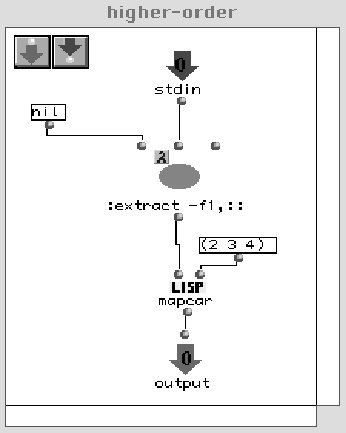
In this case, the string concatenation function string+, which is known to LISP function users in OpenMusic, is simply mapped to a shortcut in shell scripts (just joining the arguments). This trick allows us to use the patch in two ways: - In test modus, the data flow is controlled by OpenMusic, which directs the data along the connections from one box to the other. By evaluating different boxes, the user develops a sense for the parameters of the commands and adjusts them until he or she is satisfied. Very handy are text boxes (the box with the book icon), where the standard output of a command can be captured and inspected.
- In application modus (i.e. when the patch is called with an actual parameter), the patch is compiled into the shell script. Since the patch in this case is totally mapped to a shell script, it can run completely in the Humdrum environment, without the need to control the pieces from OpenMusic any more. So nested Humdrum patches can run very efficiently, making this technique especially appropriate for remote processing.
|